

News • Events • Kultur • Lifestyle • Region
News • Events • Kultur • Lifestyle • Region
 ByCK
ByCK

GLADENFOLD: Between Darkness and Melody – “Mercy” and the New Album Soulbound
Beitrag teilen
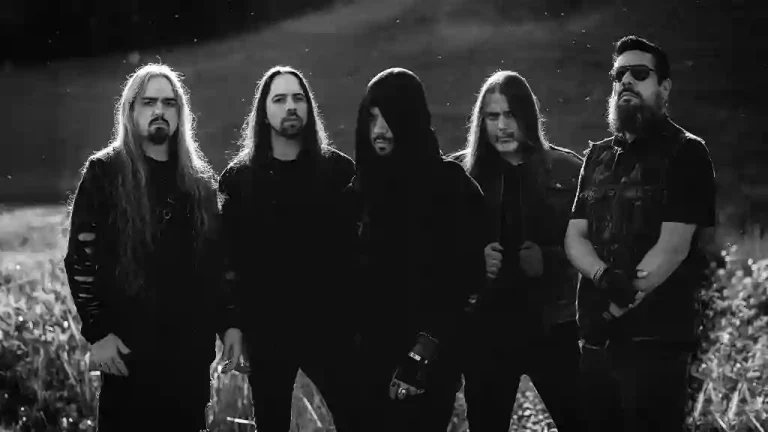
With their new single “Mercy”, Gladenfold open an emotional chapter of their upcoming fourth album “Soulbound”, out on February 27, 2026. The track highlights the atmospheric, melancholic side of the Finnish melodic metal band and features a powerful vocal duet between Esko Itälä and guest vocalist Micha (Without Warning). “Soulbound” combines power metal, melodic death metal, and symphonic elements into a dark, emotional concept album about two souls trapped in an endless cycle of rebirth. Time to talk about the making of “Mercy”, the band’s creative process, and the vision behind “Soulbound”.
“Mercy” is the slowest and most atmospheric track of the new album. How did the idea for this song come about.
Paavali: Making a slow and atmospheric song as such wasn’t an intention to start with. I was trying out some random ideas with the piano which I do every so often. Probably it was the mix of a certain mood and coincidence that slowly started turning into an early idea of the song. All the crazy things happening in the world certainly had an impact as well. Most of the album songs are on the faster side so we thought that this had some potential to balance the mood and tempo of the album.
Esko, the song tells a story of exploitation, abuse, and the search for compassion. How close did you get to these themes personally while writing.
Esko: I would say that nowadays it’s not particularly difficult to connect with the themes present in the song. Oppression and exploitation seem to be increasingly part of everyday life, especially in the actions of those in power.
The duet with Micha amplifies the dramatic impact of “Mercy”. How did this collaboration come together?
Paavali: I think it was Matias who had the idea that female vocals could add a nice flavor to the song. We were thinking of potential singers and met Micha kind of by coincidence. Basically, Micha was recording different ideas in her home studio on top of the demo. It didn’t take too many iterations until we were really happy with the result. That was actually quite a positive surprise.
Esko: The idea of a guest female vocalist was originally Matias’s. He introduced Micha’s voice to us, and it was clear that something good was coming. And it did! I had a pretty clear vision of how the vocals would go, and Micha did exactly what I had hoped for, and more. The improvisation at the end of the song is magical. I’m extremely satisfied with the final result.
Paavali, the original demo was written on piano. How did you transform it into a full Gladenfold song.
Paavali: Good question, indeed. It is definitely not easy to hear the idea of a metal song when listening to a demo played with the piano. Once we started trying to add the band instruments, the real idea of the song just started to take shape. The guys did a great job with all those ideas and rearrangements that made the end-result both great and also quite different from the early demo.
“Soulbound” is a concept album about two connected souls. How does this influence the composition and atmosphere of the songs.
Esko: Most of the songs had already been written before we decided to make the album a concept record. In a way, that made writing the remaining material more challenging, especially when it came to the lyrics. On the other hand, I believe the last songs to be completed, Chaos Waltz and Soulbound Parallax, wouldn’t be as strong if we hadn’t taken the time to really think about the concept they would belong to.
Gladenfold merges power metal with melodic death metal. How do you manage to fuse these elements so seamlessly.
Paavali: The main thing, for sure, is that we don’t actively try to categorize our music. The style must be a combination of the different styles of music you listen to, things happening in your life and turning that into music you actually like. Also, to be honest, the death metal side has diminished quite extensively on this album but perhaps the melancholy is still what remains in the Gladenfold sound.
Esko: I personally see it so that power metal and death metal are two sides of the same coin. It often comes down to very small things which one the music ends up being, so I don’t see a problem in combining the two. It’s probably tied to the songwriter’s mood as to which side of the coin is visible at any given time. Sometimes you can also just toss the coin and see what happens.
The keyboard solo in “Mercy” has an old-school prog feel. Which influences were most important to you.
Paavali: This is a tough one. I think it all started with the lead sound. Matias suggested some kind of old-school prog feel, analog lead sound. Usually a certain type of sound starts feeding your inspirations, and that’s happened also here. It’s hard to mention any specific influences but it must have been some old Genesis from the ‘70s that guided me forward.
Your sound has evolved significantly over the past years. How has your style changed since “Nemesis”
Paavali: Nemesis was clearly a heavier album compared to Soulbound. The scale between melodic death metal and power metal has tilted towards the latter on the new album. Probably the most evident example of this is that this time we mostly used clean vocals only. Soulbound is also much more straightforward – or that’s what we thought when we started recording the songs. Let the listeners make the final judgement on that statement.
Esko: I’d say the biggest change in the music comes from the fact that the Nemesis album was composed using tablature and sheet music. Soulbound wasn’t written down; everything was recorded from the very beginning. With the exception of Mercy, all the songs were composed and recorded on guitar, so the tracks are very guitar-driven. The songs are also more straightforward and “simpler,” which is certainly a result of me originally demoing them myself on guitar. I also wanted the album to be more vocal-driven, which led to growled vocals being almost completely dropped. However, I don’t believe growls are permanently disappearing from Gladenfold’s music.
What message do you want to convey to fans through “Mercy” and the album “Soulbound”.
Esko: Life isn’t a single battle, but a series of events, victories, and losses that lead to an outcome. What that outcome is depends on you. In the midst of injustice and cruelty, focus on acceptance and unity, and focus on heavy metal.
If you could give listeners just one moment from “Soulbound”, which one would it be.
Esko: That’s a tough one. I’d say listen to the whole album, but that’s probably not what you want to hear, so I’ll go with the chorus of Ghostlike.
Thank you to Gladenfold for the open and inspiring conversation. We wish you all the best for the release of “Soulbound”, great success with “Mercy”, and continued creative energy on your musical journey. May your music continue to touch listeners and create spaces filled with darkness and melody.
Interview by CK
DE
Gladenfold. Zwischen Dunkelheit und Melodie – „Mercy“ und das neue Album Soulbound
Mit ihrer neuen Single „Mercy“ schlagen Gladenfold ein emotionales Kapitel ihres kommenden vierten Albums „Soulbound“ auf, das am 27. Februar 2026 erscheint. Der Song zeigt die atmosphärische und melancholische Seite der finnischen Melodic Metal Band und lebt von einem eindrucksvollen Gesangsduett zwischen Esko Itälä und Gastsängerin Micha von Without Warning. „Soulbound“ verbindet Power Metal, Melodic Death Metal und symphonische Elemente zu einem düsteren, emotionalen Konzeptalbum über zwei Seelen, die in einem endlosen Kreislauf der Wiedergeburt gefangen sind. Zeit, über die Entstehung von „Mercy“, den kreativen Prozess der Band und die Vision hinter „Soulbound“ zu sprechen.
„Mercy“ ist der langsamste und atmosphärischste Song des neuen Albums. Wie entstand die Idee zu diesem Stück?
Paavali: Ein langsamer und atmosphärischer Song war anfangs gar nicht geplant. Ich habe einfach wieder einmal verschiedene Ideen am Klavier ausprobiert, was ich regelmäßig mache. Wahrscheinlich war es eine Mischung aus einer bestimmten Stimmung und Zufall, aus der sich nach und nach die erste Idee für den Song entwickelte. Die vielen verrückten Dinge, die derzeit auf der Welt passieren, haben sicher ebenfalls ihren Einfluss gehabt. Da die meisten Songs des Albums eher schnell sind, fanden wir, dass „Mercy“ das Potenzial hat, die Stimmung und das Tempo des Albums auszubalancieren.
Esko, der Song erzählt von Ausbeutung, Missbrauch und der Suche nach Mitgefühl. Wie persönlich bist du diesen Themen beim Schreiben gekommen?
Esko: Ich würde sagen, dass es heute leider nicht besonders schwer ist, eine Verbindung zu diesen Themen herzustellen. Unterdrückung und Ausbeutung scheinen immer mehr zum Alltag zu gehören, besonders durch das Handeln derjenigen, die Macht besitzen.
Das Duett mit Micha verstärkt die emotionale Wirkung von „Mercy“ enorm. Wie kam diese Zusammenarbeit zustande?
Paavali: Ich glaube, Matias hatte die Idee, dass weiblicher Gesang dem Song eine besondere Note verleihen könnte. Wir haben über mögliche Sängerinnen gesprochen und Micha eher zufällig kennengelernt. Sie nahm in ihrem Homestudio verschiedene Gesangsideen über unser Demo auf. Es brauchte gar nicht viele Durchläufe, bis wir mit dem Ergebnis wirklich zufrieden waren. Das war eine sehr positive Überraschung.
Esko: Die Idee für eine weibliche Gastsängerin kam ursprünglich von Matias. Er zeigte uns Michas Stimme und wir wussten sofort, dass daraus etwas Besonderes entstehen könnte. Und genau so war es. Ich hatte eine ziemlich klare Vorstellung davon, wie die Gesangsparts klingen sollten, und Micha hat genau das umgesetzt, was ich mir erhofft hatte, sogar noch mehr. Ihre Improvisation am Ende des Songs ist einfach magisch. Mit dem Endergebnis bin ich außerordentlich zufrieden.
Paavali, das ursprüngliche Demo wurde am Klavier geschrieben. Wie wurde daraus ein typischer Gladenfold Song?
Paavali: Gute Frage. Tatsächlich ist es gar nicht so einfach, in einem Klavierdemo bereits einen Metalsong zu erkennen. Erst als wir begannen, die Instrumente der Band hinzuzufügen, nahm die eigentliche Idee Form an. Die anderen haben mit ihren Ideen und neuen Arrangements großartige Arbeit geleistet. Dadurch wurde der fertige Song nicht nur richtig stark, sondern unterschied sich auch deutlich vom ursprünglichen Demo.
„Soulbound“ ist ein Konzeptalbum über zwei miteinander verbundene Seelen. Wie beeinflusst dieses Konzept den Aufbau und die Atmosphäre der Songs?
Esko: Die meisten Songs waren bereits geschrieben, bevor wir beschlossen, daraus ein Konzeptalbum zu machen. Dadurch wurde das Schreiben der restlichen Stücke, besonders der Texte, durchaus anspruchsvoller. Gleichzeitig bin ich überzeugt, dass die zuletzt fertiggestellten Songs „Chaos Waltz“ und „Soulbound Parallax“ nicht so stark geworden wären, wenn wir uns nicht intensiv mit dem Konzept auseinandergesetzt hätten.
Gladenfold verbinden Power Metal mit Melodic Death Metal. Wie gelingt es euch, diese Stilrichtungen so nahtlos miteinander zu verschmelzen?
Paavali: Das Wichtigste ist, dass wir gar nicht bewusst versuchen, unsere Musik in Schubladen einzuordnen. Unser Stil entsteht aus der Musik, die wir hören, aus den Dingen, die wir erleben, und daraus, Musik zu machen, die uns selbst gefällt. Ehrlich gesagt ist der Death Metal Anteil auf diesem Album deutlich geringer geworden. Was aber geblieben ist, ist die Melancholie, die den Gladenfold Sound weiterhin prägt.
Esko: Für mich sind Power Metal und Death Metal zwei Seiten derselben Medaille. Oft entscheiden nur Kleinigkeiten darüber, in welche Richtung ein Song geht. Deshalb sehe ich überhaupt kein Problem darin, beide Genres miteinander zu verbinden. Welche Seite am Ende dominiert, hängt wahrscheinlich einfach von der Stimmung des Songwriters ab. Manchmal kann man die Münze aber auch einfach werfen und schauen, was passiert.
Das Keyboard Solo in „Mercy“ erinnert an klassischen Progressive Rock. Welche Einflüsse waren dabei besonders wichtig?
Paavali: Das ist eine schwierige Frage. Alles begann mit dem Klang des Lead Sounds. Matias schlug einen analogen Sound im Stil des klassischen Progressive Rock vor. Oft inspiriert dich bereits ein bestimmter Klang zu neuen Ideen und genau das ist hier passiert. Konkrete Einflüsse zu nennen, fällt mir schwer, aber wahrscheinlich waren es einige alte Genesis Aufnahmen aus den siebziger Jahren, die mich in diese Richtung geführt haben.
Euer Sound hat sich in den vergangenen Jahren deutlich weiterentwickelt. Wie hat sich eure Musik seit „Nemesis“ verändert?
Paavali: „Nemesis“ war eindeutig ein härteres Album als „Soulbound“. Diesmal hat sich das Verhältnis zwischen Melodic Death Metal und Power Metal deutlich in Richtung Power Metal verschoben. Das zeigt sich vor allem daran, dass wir fast ausschließlich auf klaren Gesang gesetzt haben. Außerdem wirkt „Soulbound“ direkter. Zumindest dachten wir das, als wir mit den Aufnahmen begonnen haben. Ob das wirklich so ist, dürfen am Ende die Hörer entscheiden.
Esko: Ich denke, die größte Veränderung liegt darin, wie die Songs entstanden sind. „Nemesis“ wurde mithilfe von Tabs und Noten komponiert. Bei „Soulbound“ haben wir von Anfang an alles direkt aufgenommen. Mit Ausnahme von „Mercy“ wurden alle Songs an der Gitarre geschrieben und aufgenommen. Deshalb ist das Album deutlich gitarrenorientierter. Die Stücke sind geradliniger und einfacher aufgebaut, was sicher damit zusammenhängt, dass ich die Demos zunächst allein auf der Gitarre entwickelt habe. Außerdem wollte ich, dass das Album stärker vom Gesang getragen wird. Deshalb haben wir Growls fast vollständig weggelassen. Ich glaube aber nicht, dass Growls dauerhaft aus der Musik von Gladenfold verschwinden werden.
Welche Botschaft möchtet ihr euren Fans mit „Mercy“ und dem Album „Soulbound“ mit auf den Weg geben?
Esko: Das Leben besteht nicht aus einer einzigen großen Schlacht, sondern aus einer Reihe von Ereignissen, Siegen und Niederlagen, die am Ende zu einem Ergebnis führen. Wie dieses Ergebnis aussieht, liegt an dir selbst. Konzentriert euch inmitten von Ungerechtigkeit und Grausamkeit auf Akzeptanz und Zusammenhalt. Und natürlich auf Heavy Metal.
Wenn ihr den Hörern nur einen einzigen Moment aus „Soulbound“ empfehlen dürftet, welcher wäre das?
Esko: Das ist wirklich schwer. Eigentlich würde ich sagen, hört euch das ganze Album an. Aber das ist wahrscheinlich nicht die Antwort, die ihr hören wollt. Deshalb entscheide ich mich für den Refrain von „Ghostlike“.
Vielen Dank an Gladenfold für das offene und inspirierende Gespräch. Wir wünschen euch für die Veröffentlichung von „Soulbound“ viel Erfolg, einen großartigen Start für „Mercy“ und weiterhin unerschöpfliche kreative Energie auf eurem musikalischen Weg. Möge eure Musik auch in Zukunft Menschen berühren und Räume schaffen, in denen Dunkelheit und Melodie auf einzigartige Weise verschmelzen.
Interview by CK
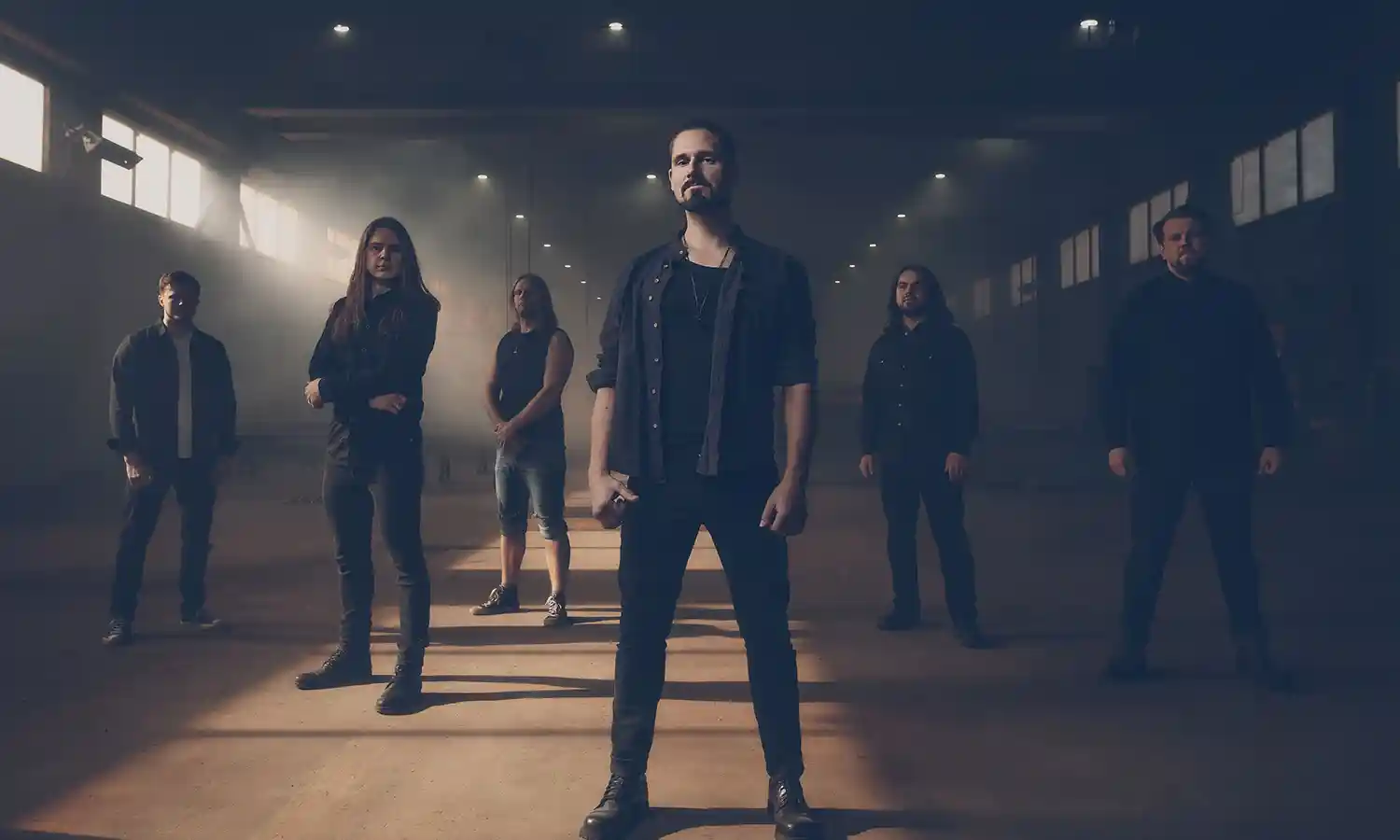
GLADENFOLD Bild © Teppo Ristola